Arslantepe Visitor Centre and Museum | 2020-2021
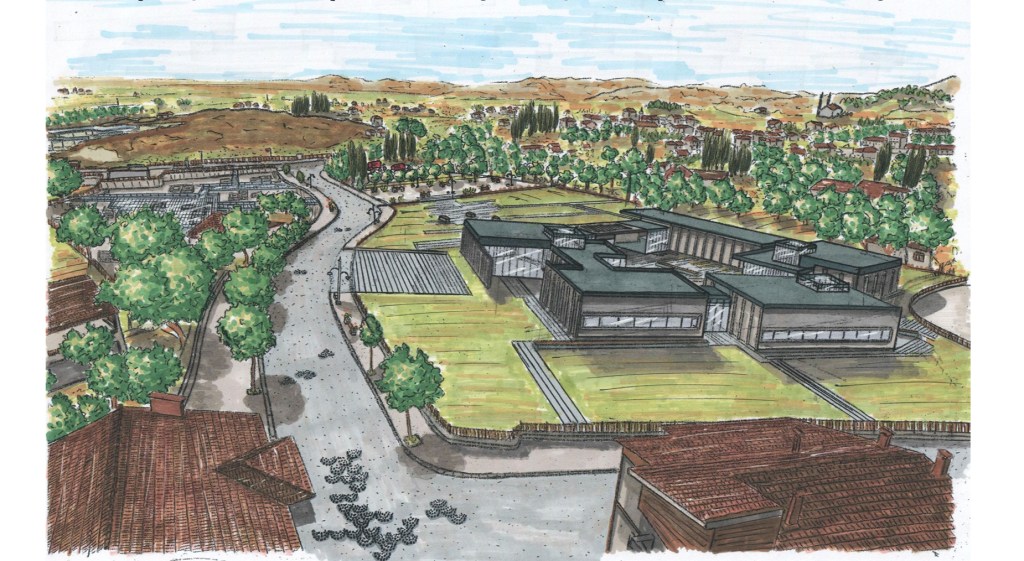
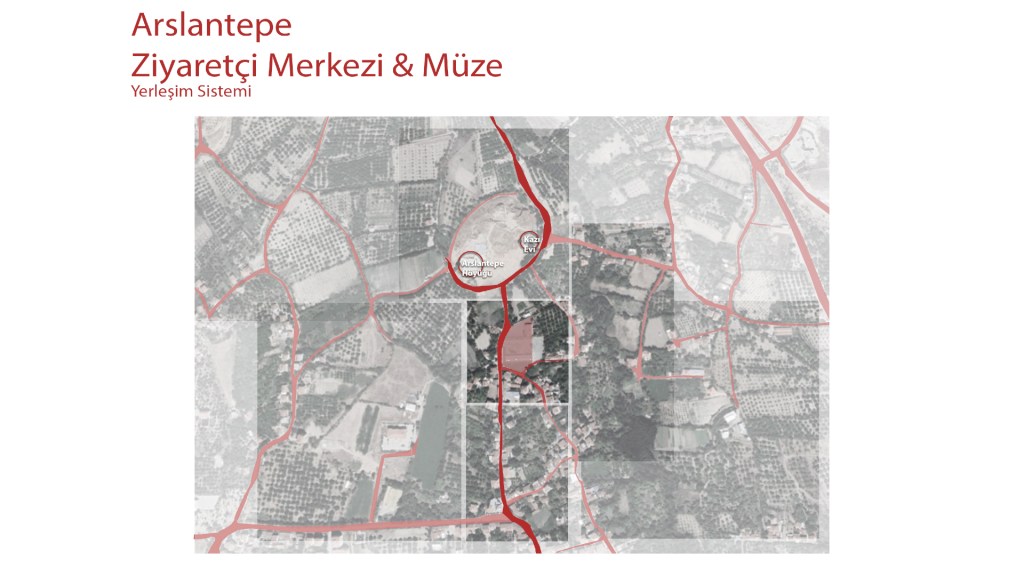
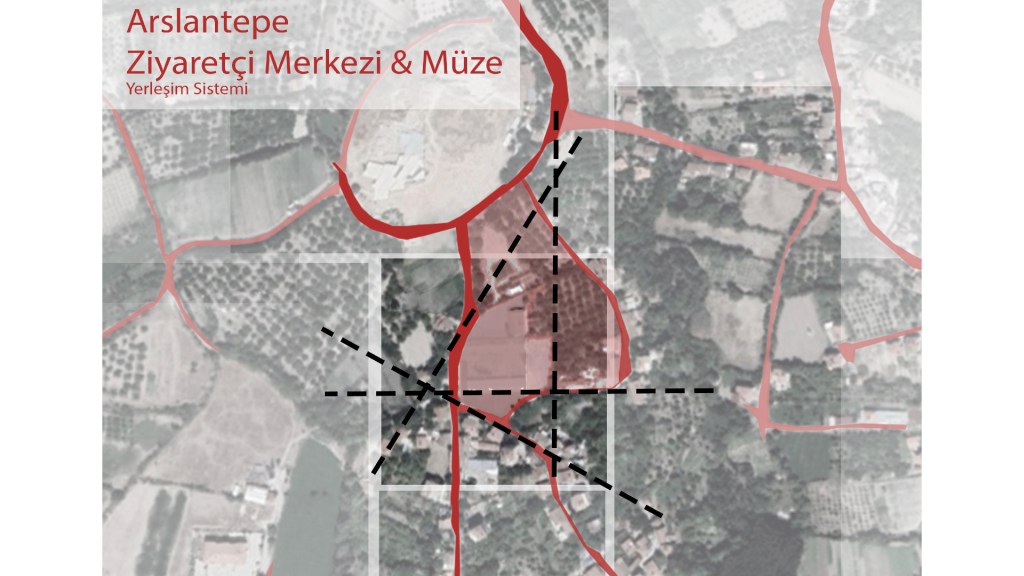
Associate Professor Aysun Tuna and her team have conducted the project on the management plan preparation of the Arslantepe archeological site for the UNESCO nomination process. During the design process of the master plan, it was seen that there was a necessity for a museum/visitor center near the Arslantepe Mound. With that idea, Aysun Tuna wanted me to join the project team and design the concept project for the museum. I have started to design in consultation with Aysun Tuna and Prof. Dr. Marcella Frangipane, who was the head of the excavation team of the Arslantepe Mound and lecturer at Italy Rome La Sapienza University.
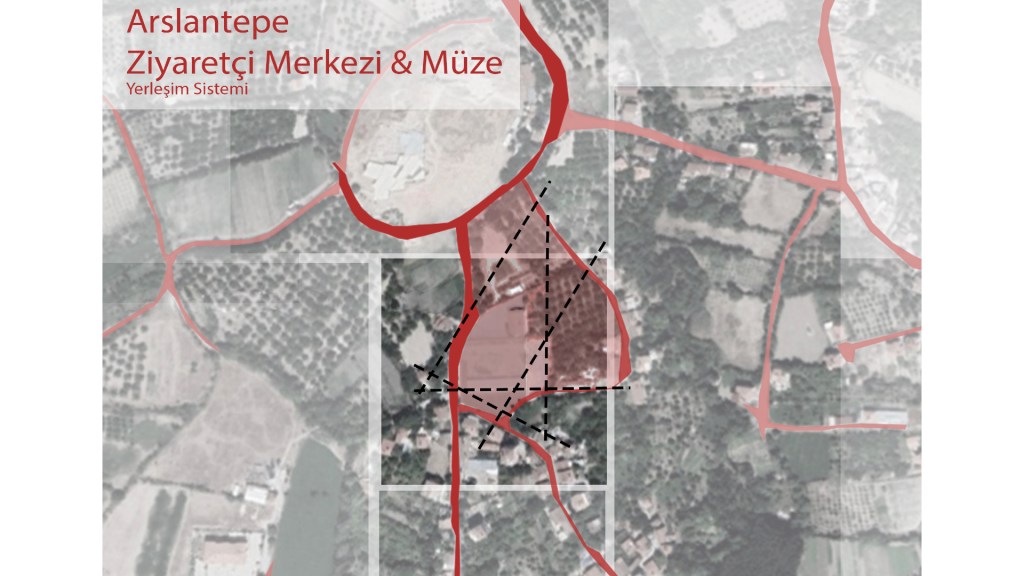
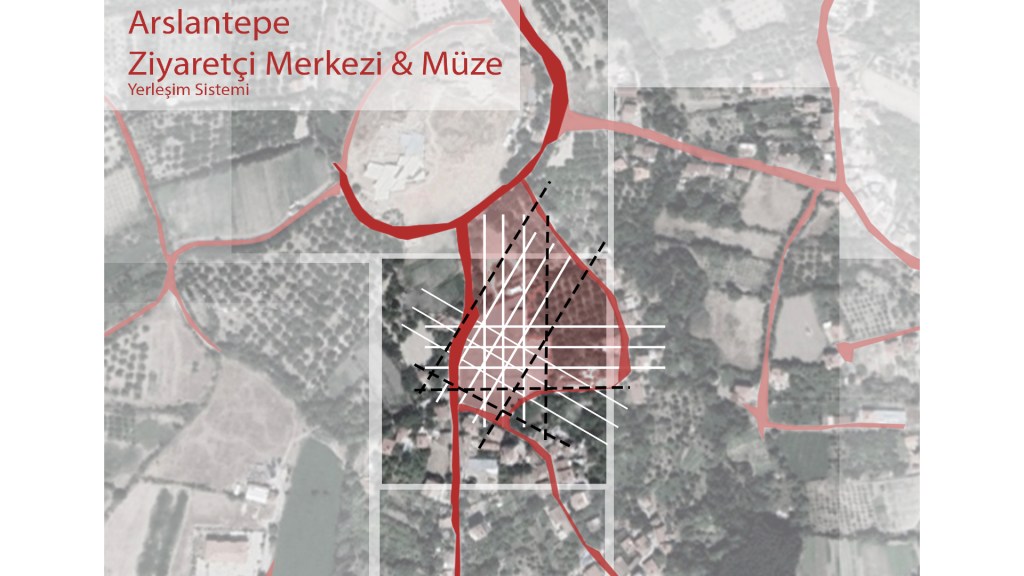
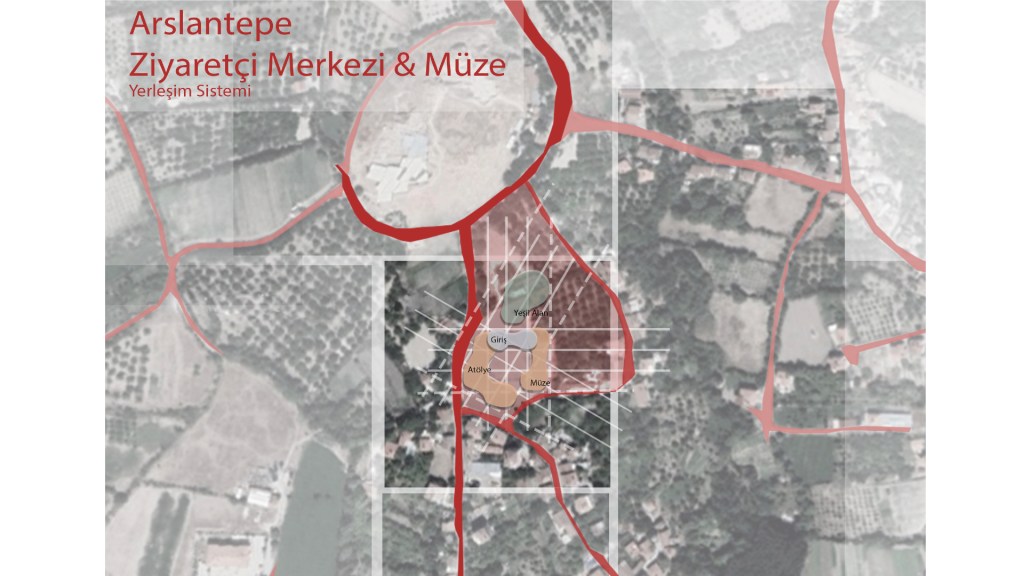
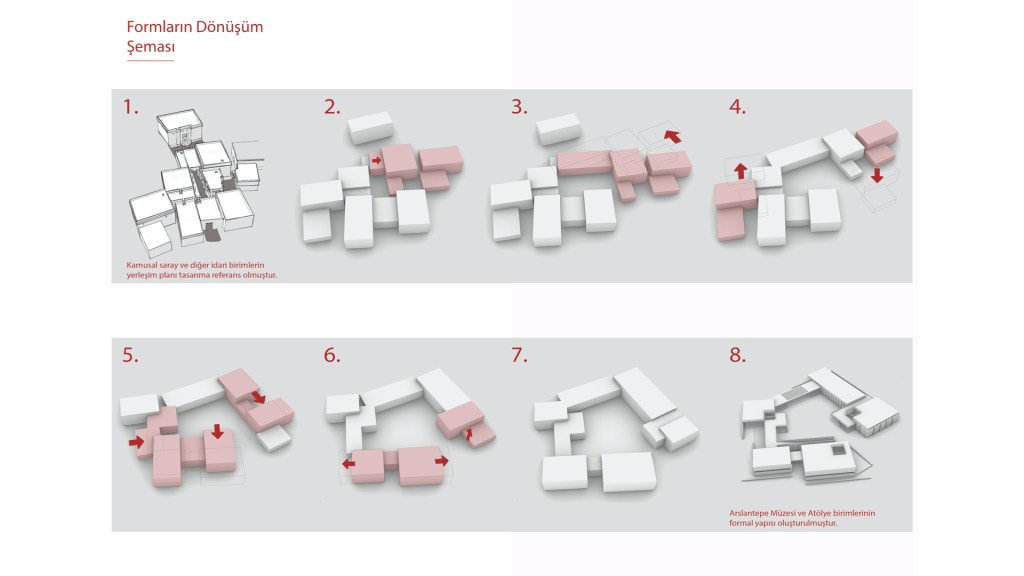
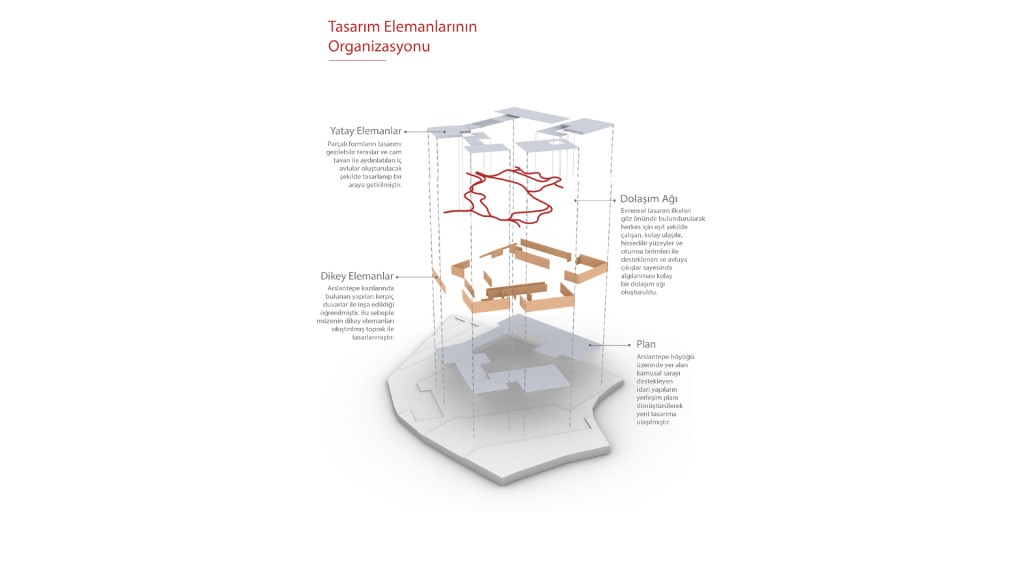
The design ideas were to get inspiration from the Arslantepe Mould for every decision and harmonize the museum with the existing building texture. Firstly, the building texture was analyzed, and it was seen that the site consists of small dwelling houses which were located on the site without any geometrical order. This is why it was decided not to construct a compact, one-piece building. Then, we analyzed the datum coming from the excavations, and the form of the complex consisting of the public castle and administrative structures was considered suitable for this site. Furthermore, getting inspiration from this plan would have made our museum respect the site’s history.
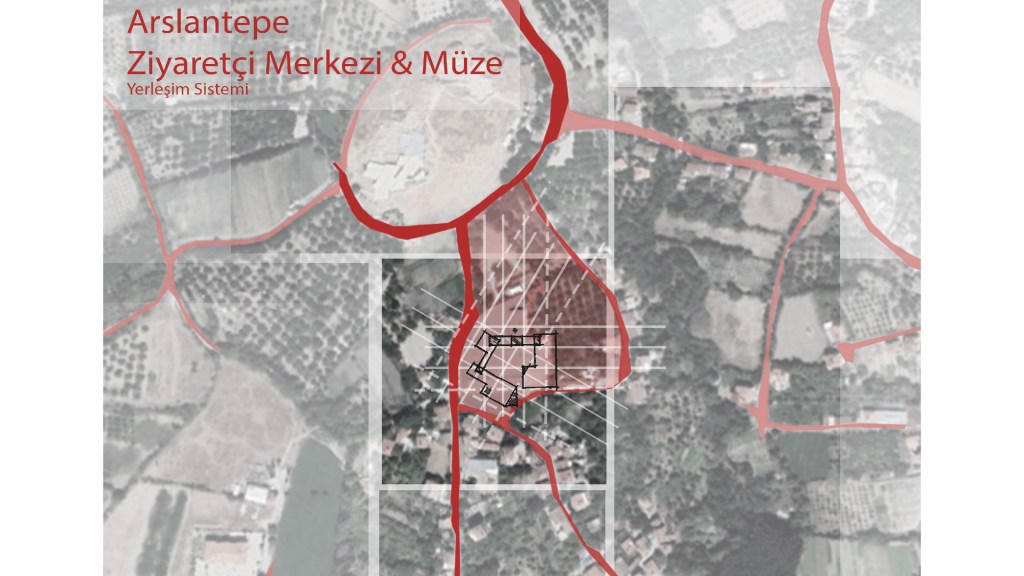
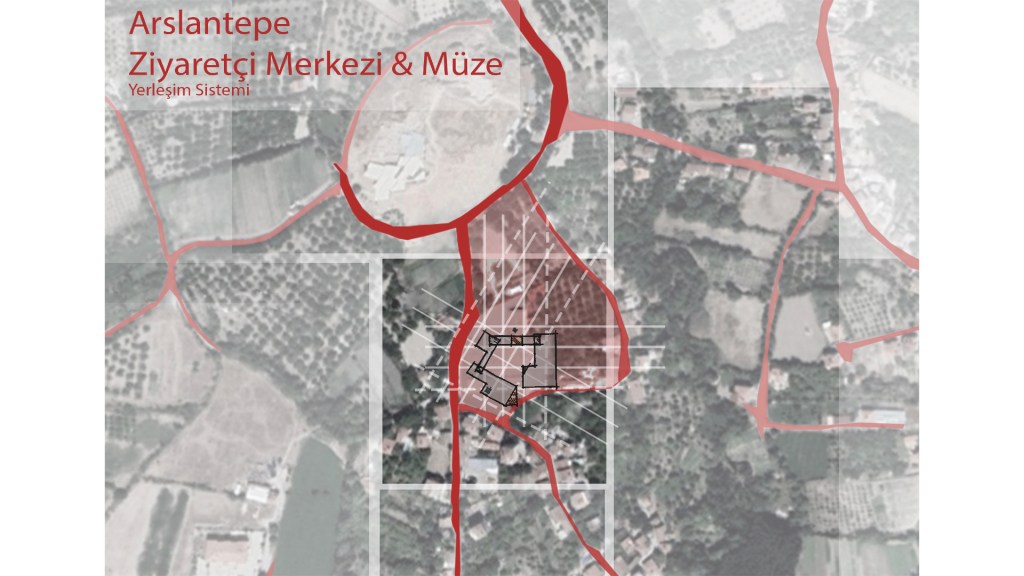
The very first thing we decided on in reference to the site and Arslantepe was the material. The use of earth was seen both in Arslantepe and the old structures of Malatya. This is why we wanted to use this local material, and it was planned to use rammed-earth construction. Afterward, I tried to get reference points from the site by considering roads, housings, and apricot orchards. With those reference points, I have generated a grid whose dimensions were taken from the tinies and biggest houses on the site. Then, the plan taken from the Mould was transformed by being superposed with the grid. With this method, the plan of the castle was not copied; it was used as a reference.
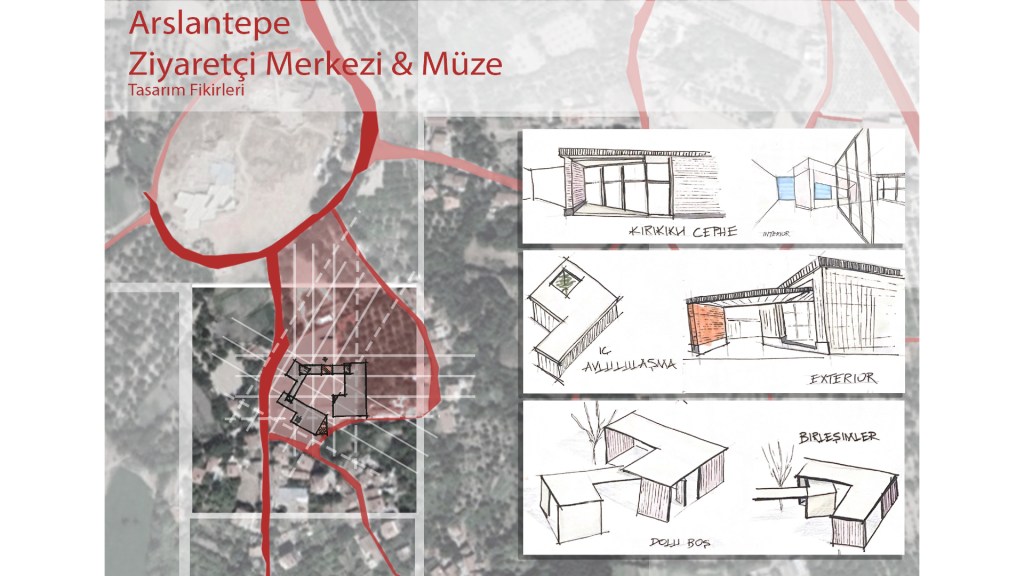
There were some additional points that I was inspired by the Mould while designing the forms. The adjacent order, the use of open and semi-open corridors in the plan, roof openings, wooden canopy, and vertical facade elements were all designed according to the excavation report.
Moreover, the soul of the Arslantepe Mould also affected us. Arslantepe was a democratic city that was famous for its constant production. This is why we thought that the museum of Arslantepe should be welcoming to ALL and have a production policy. In Aysun Tuna’s consultation, we added ateliers into the museum complex, in which visitors would experience the mud, seal, and ceramic production processes. And to welcome all, we decided to design a museum that is fully accessible.
For that purpose, a single-storey plan was prepared. By following Universal Design principles, we have designed sensible surfaces on earth walls, a circulation around a courtyard to make it understandable for all and tolerate errors, seating elements located in various places on circulation for people who would need to rest, and toilet design which do not segregate and asexualize people with disabilities.
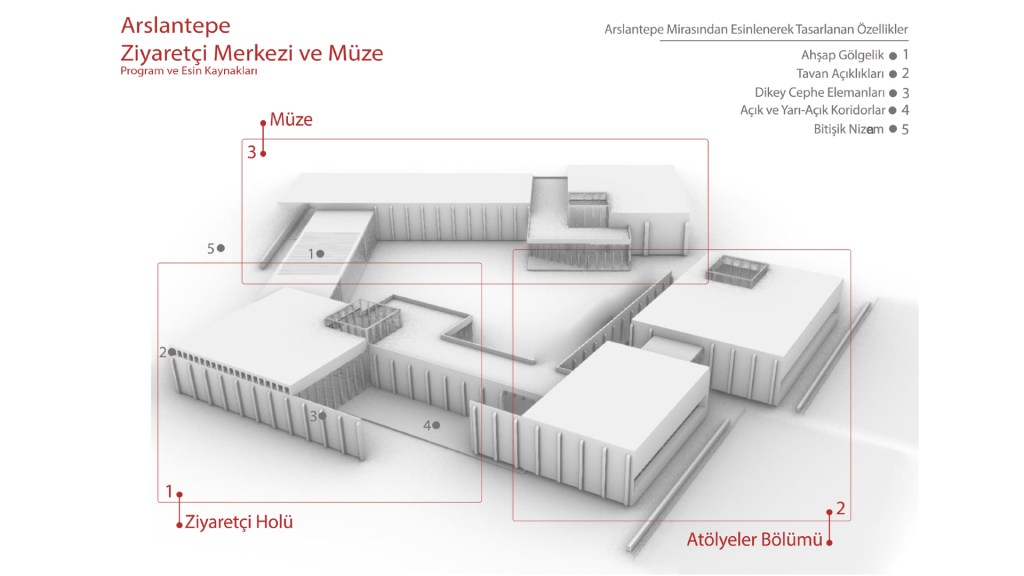
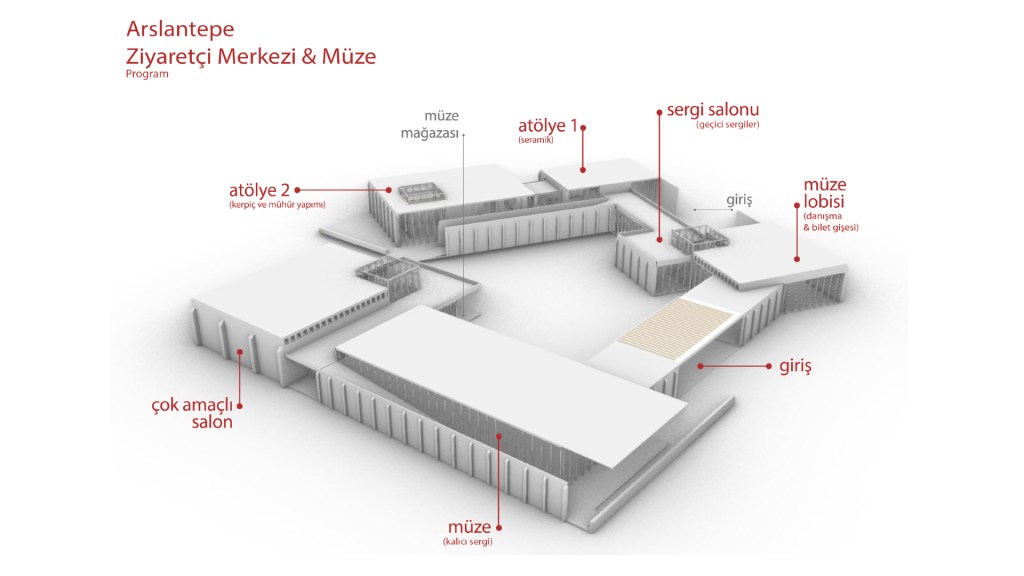
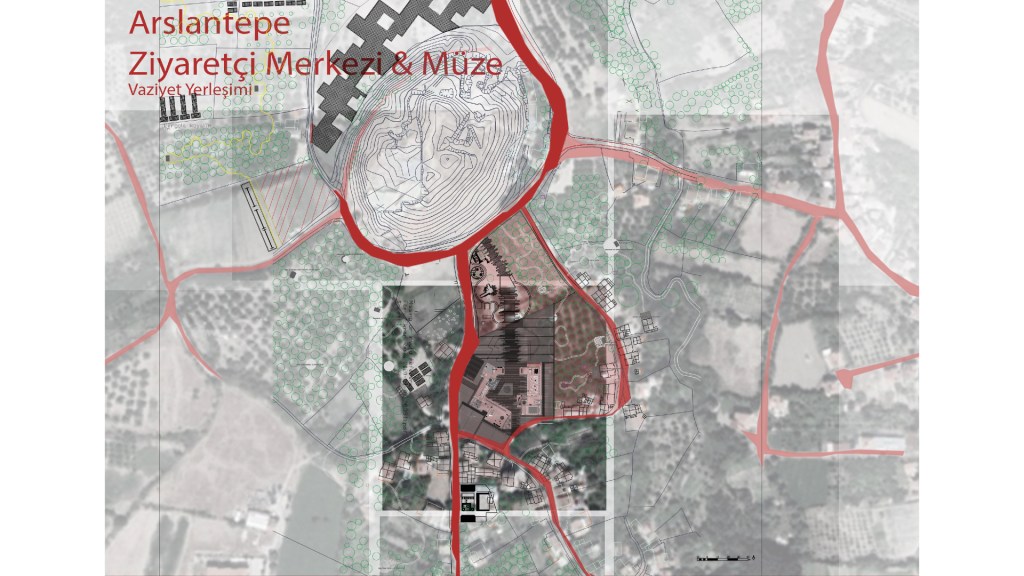
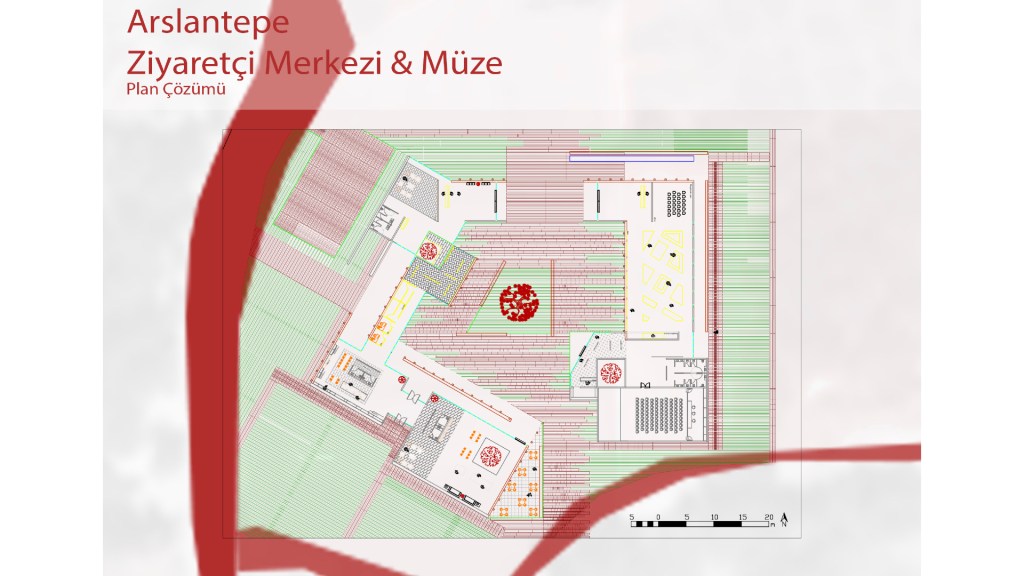
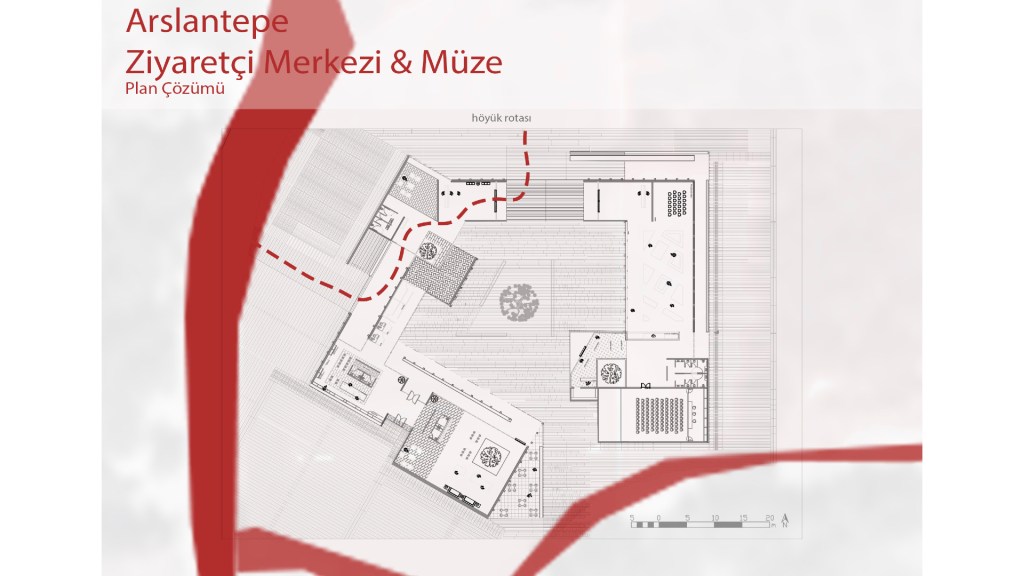
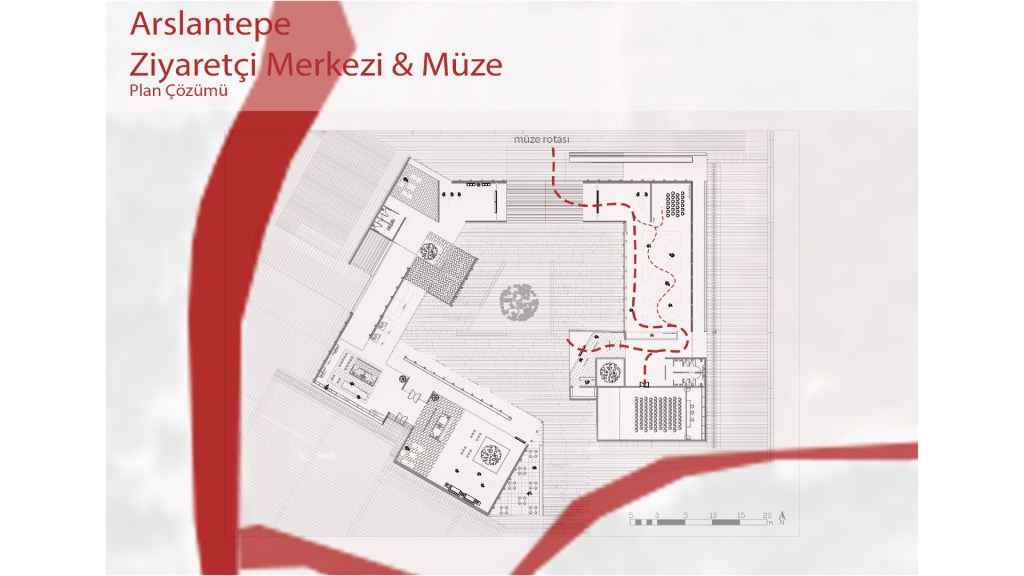
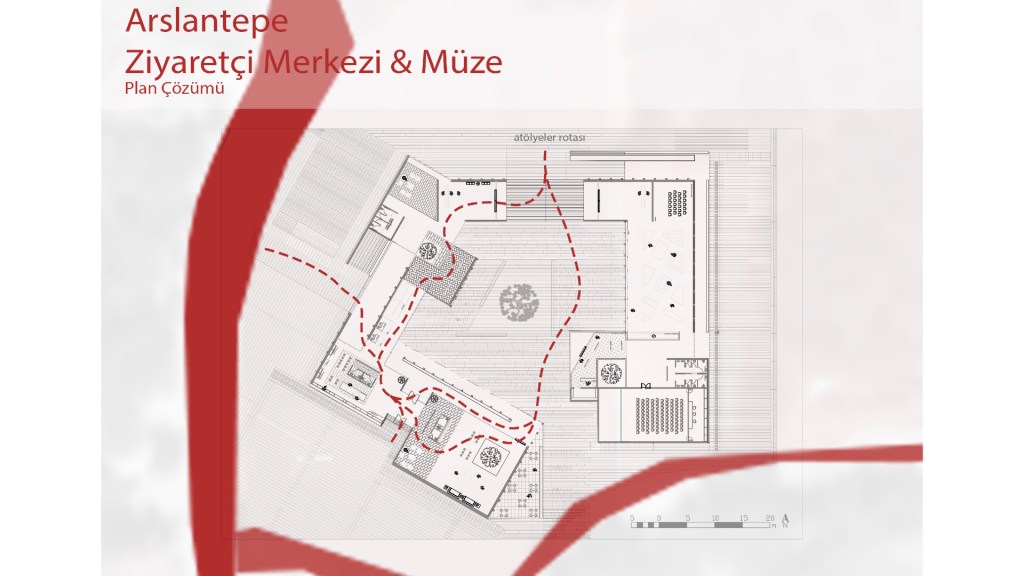
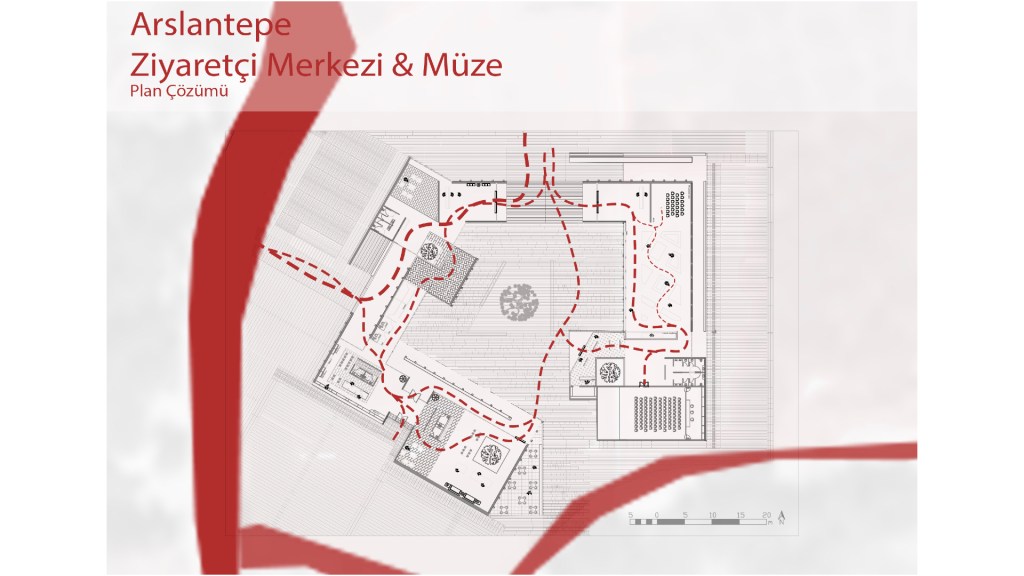
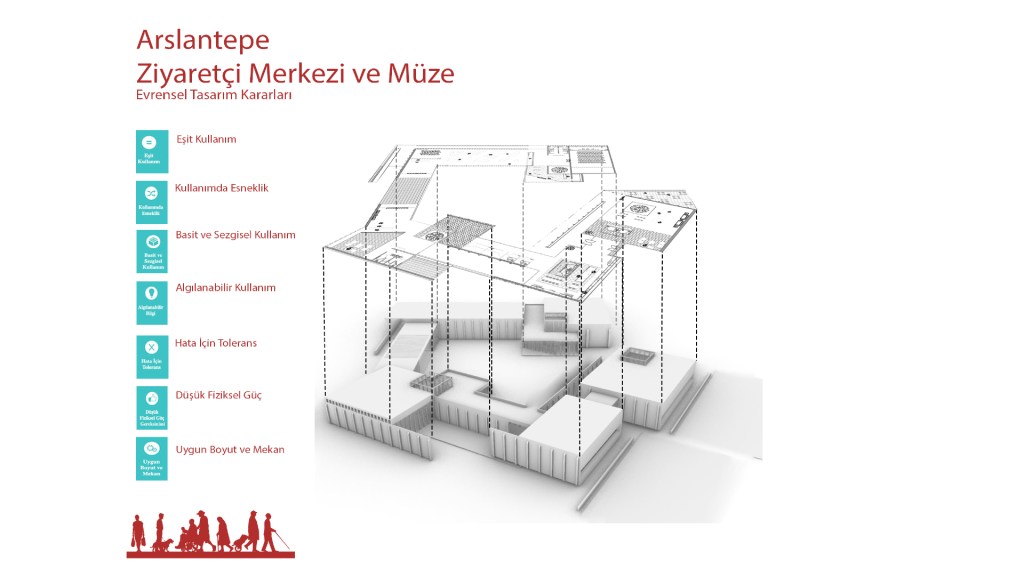
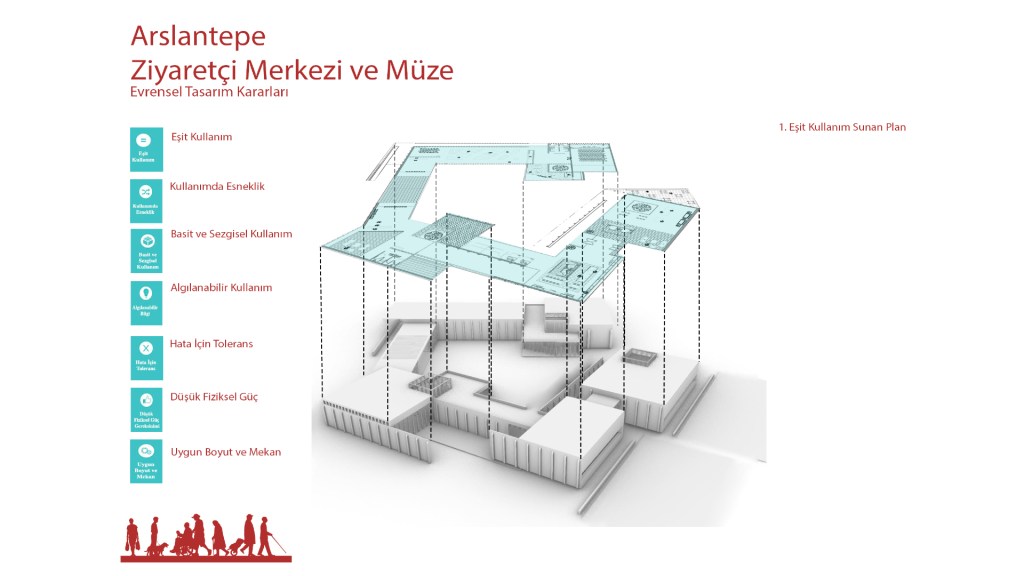
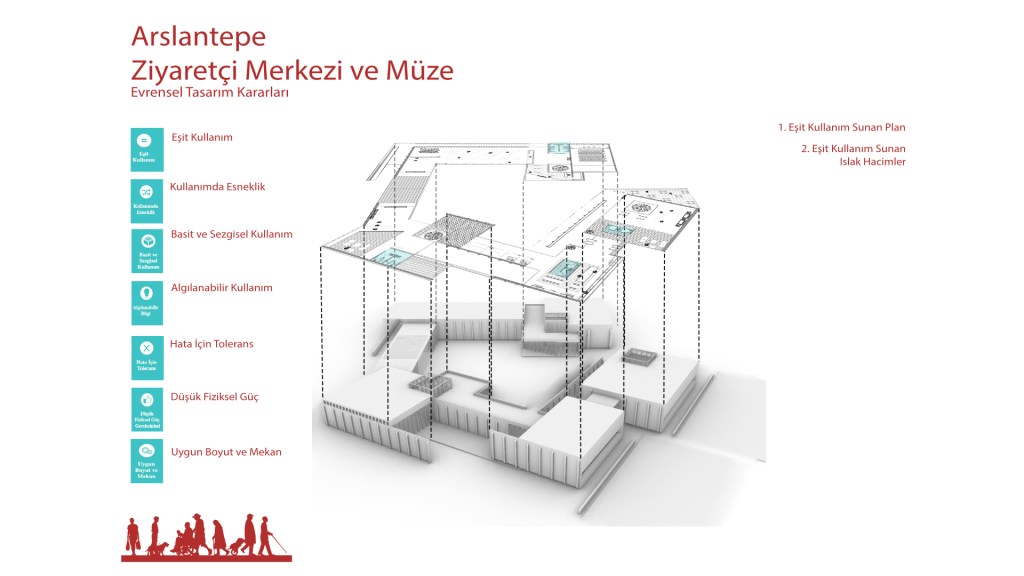
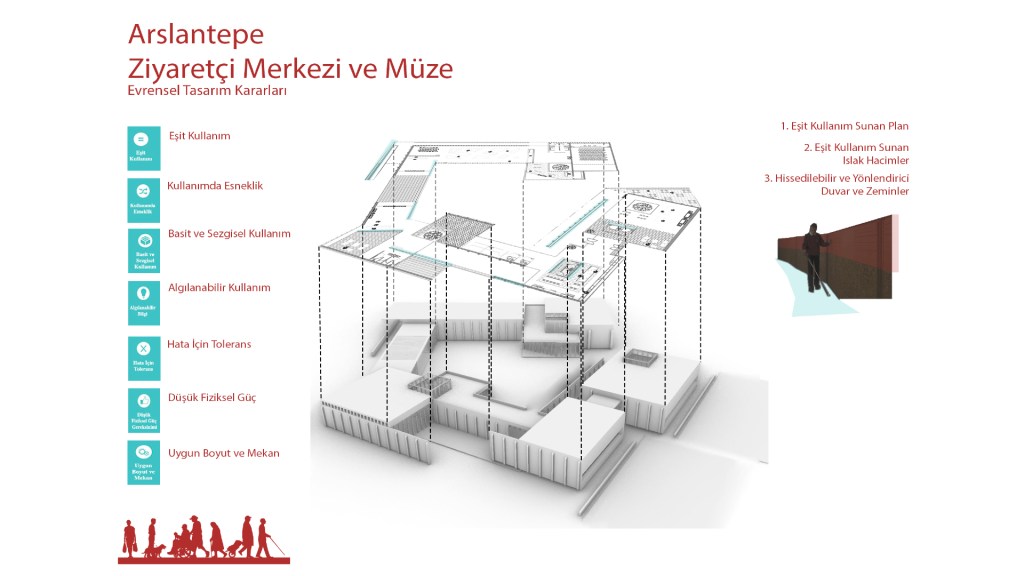
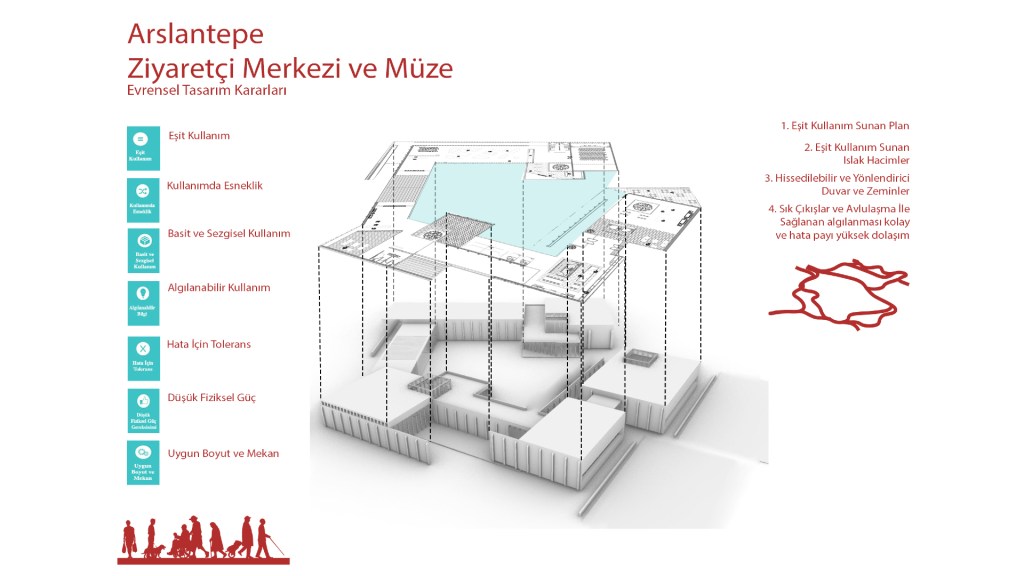
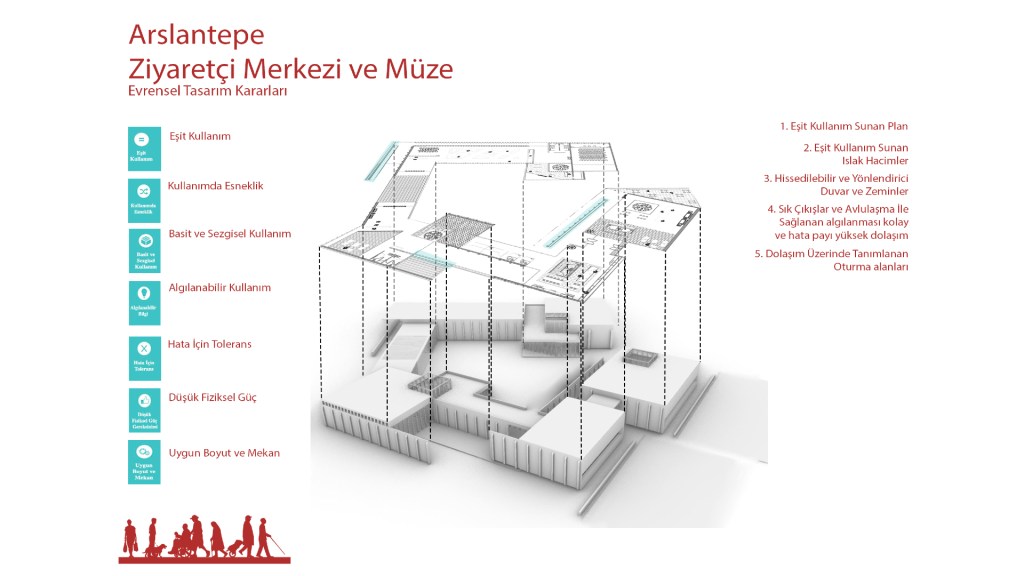
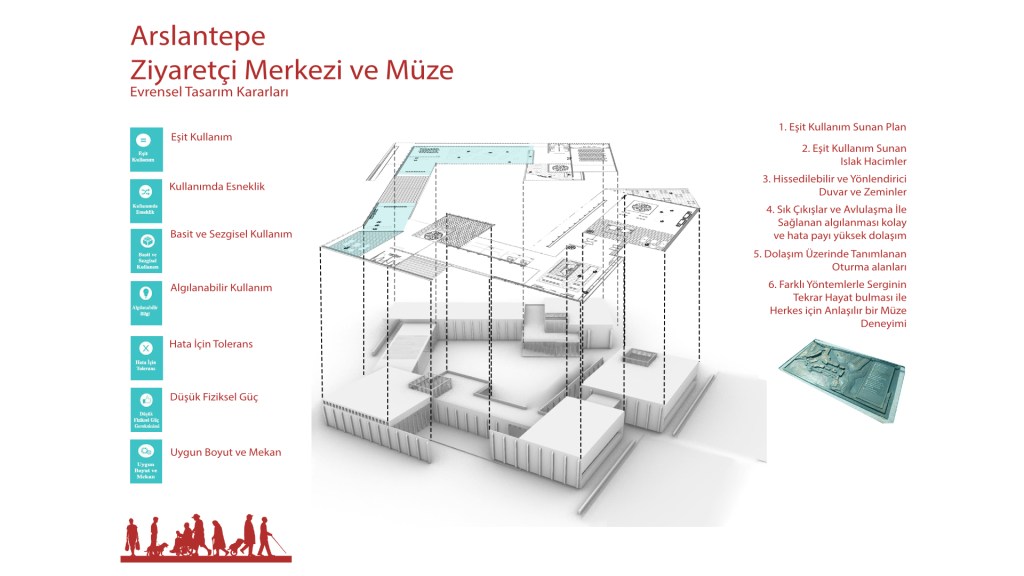
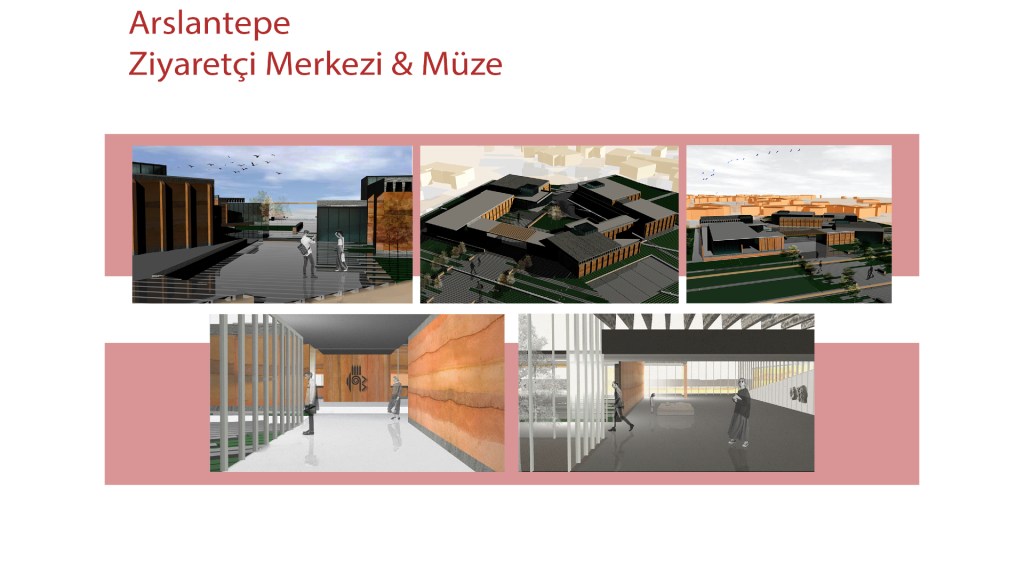
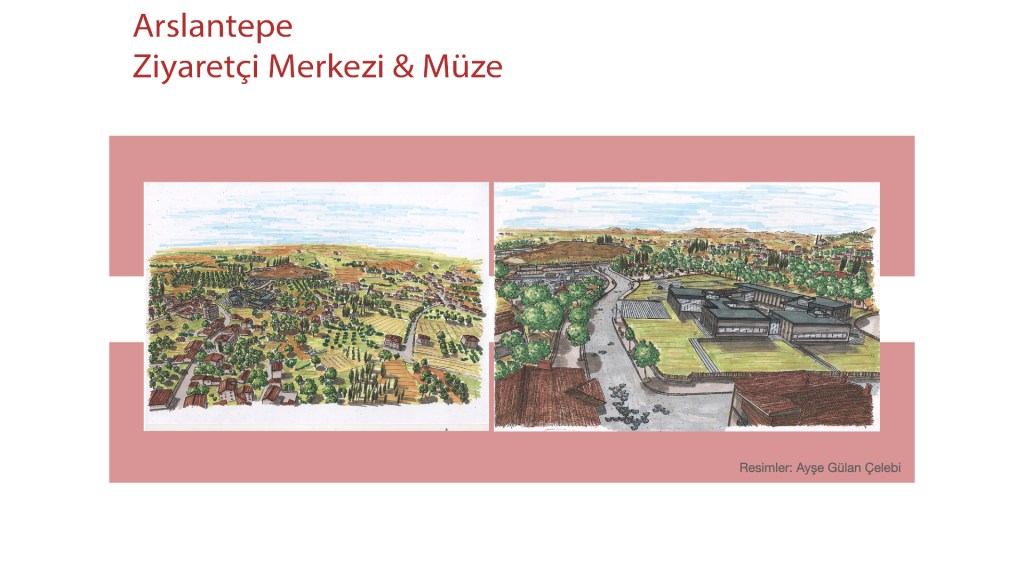
In the design process, a colleague of mine, Yasemin Hekimoğlu, helped with the interior design of the museum, and Aysun Tuna always contributed with her knowledge and Ayşe Gülan Çelebi contributed to the project with her illustrations. During the design process, we were honored with the news that Arslantepe Mould has been added to UNESCO World Heritage List. Later on, Aysun Tuna and I got an invitation from General Directorate for Cultural Heritage and Museums, who wanted us to present our museum design. In December 2002, we presented our design to the general director and his team; our concept project is in a consideration process in the directorate to be constructed.
—————————————————————————————————————–
Architectural Model Making Course in BAIBU | 2020
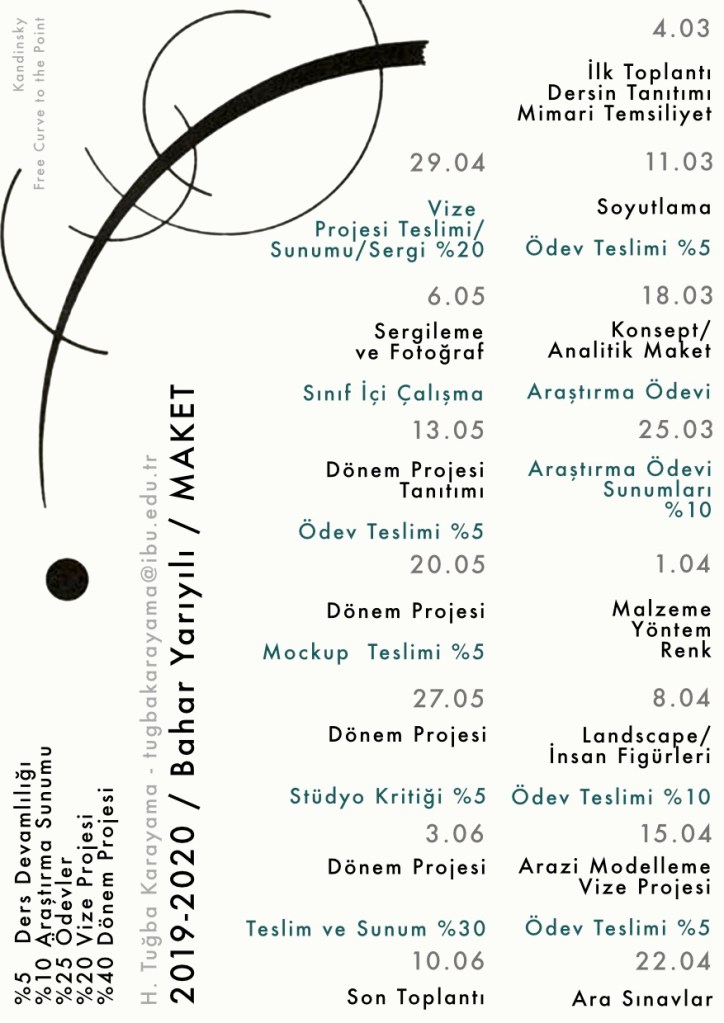
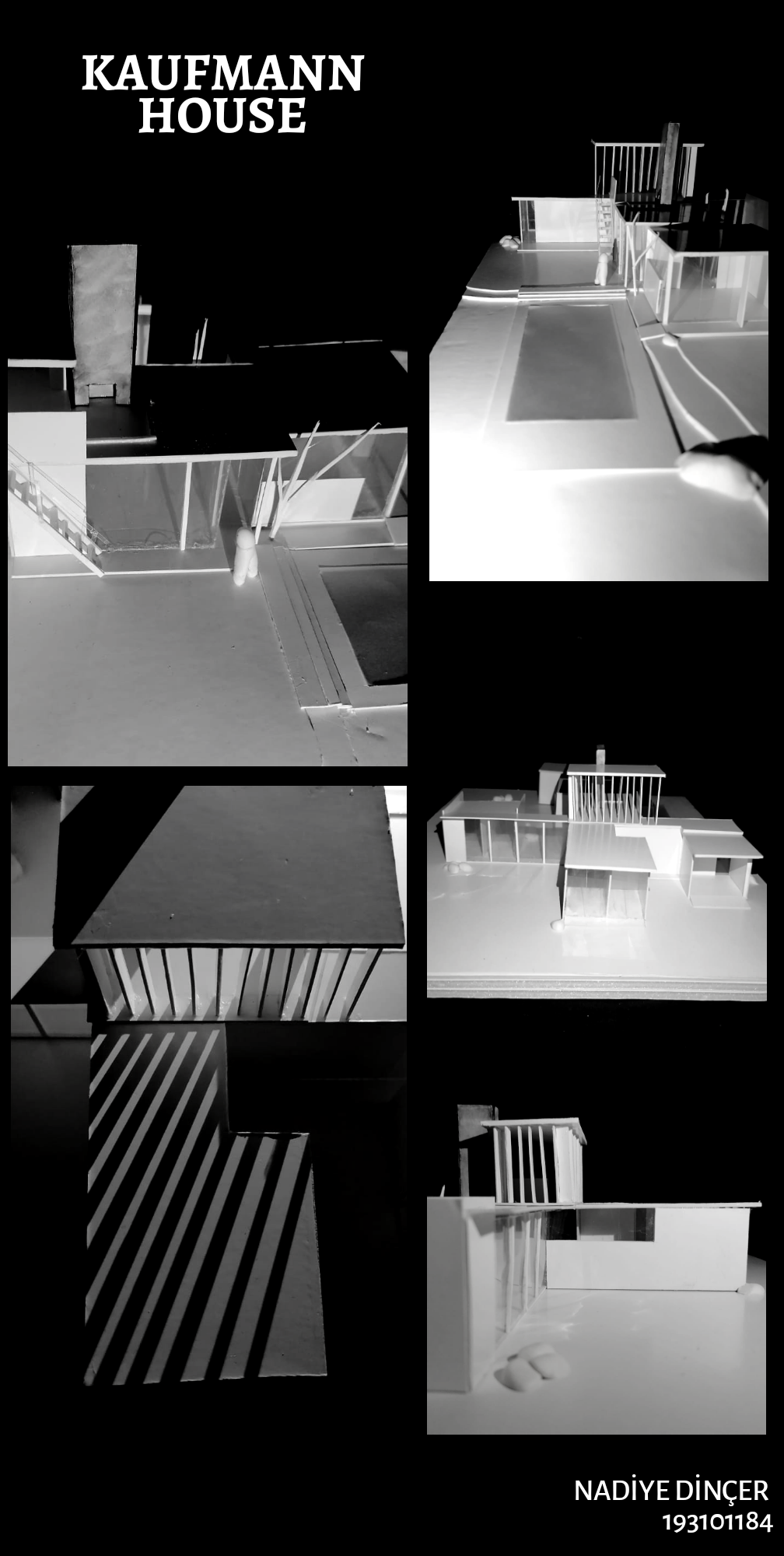
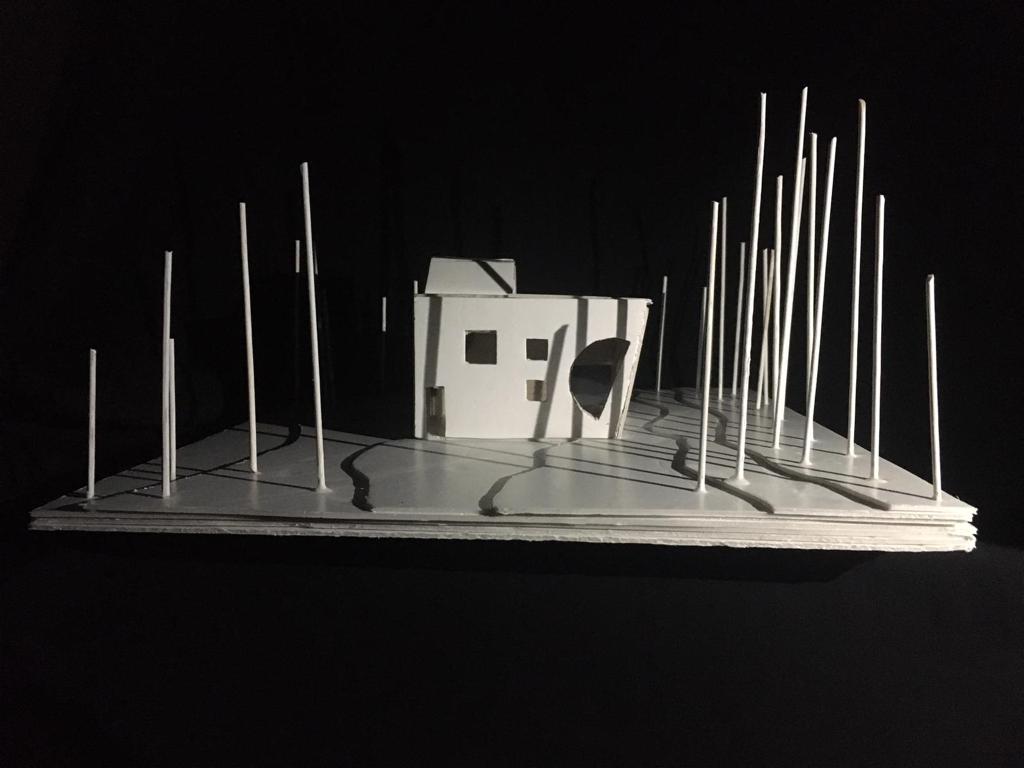
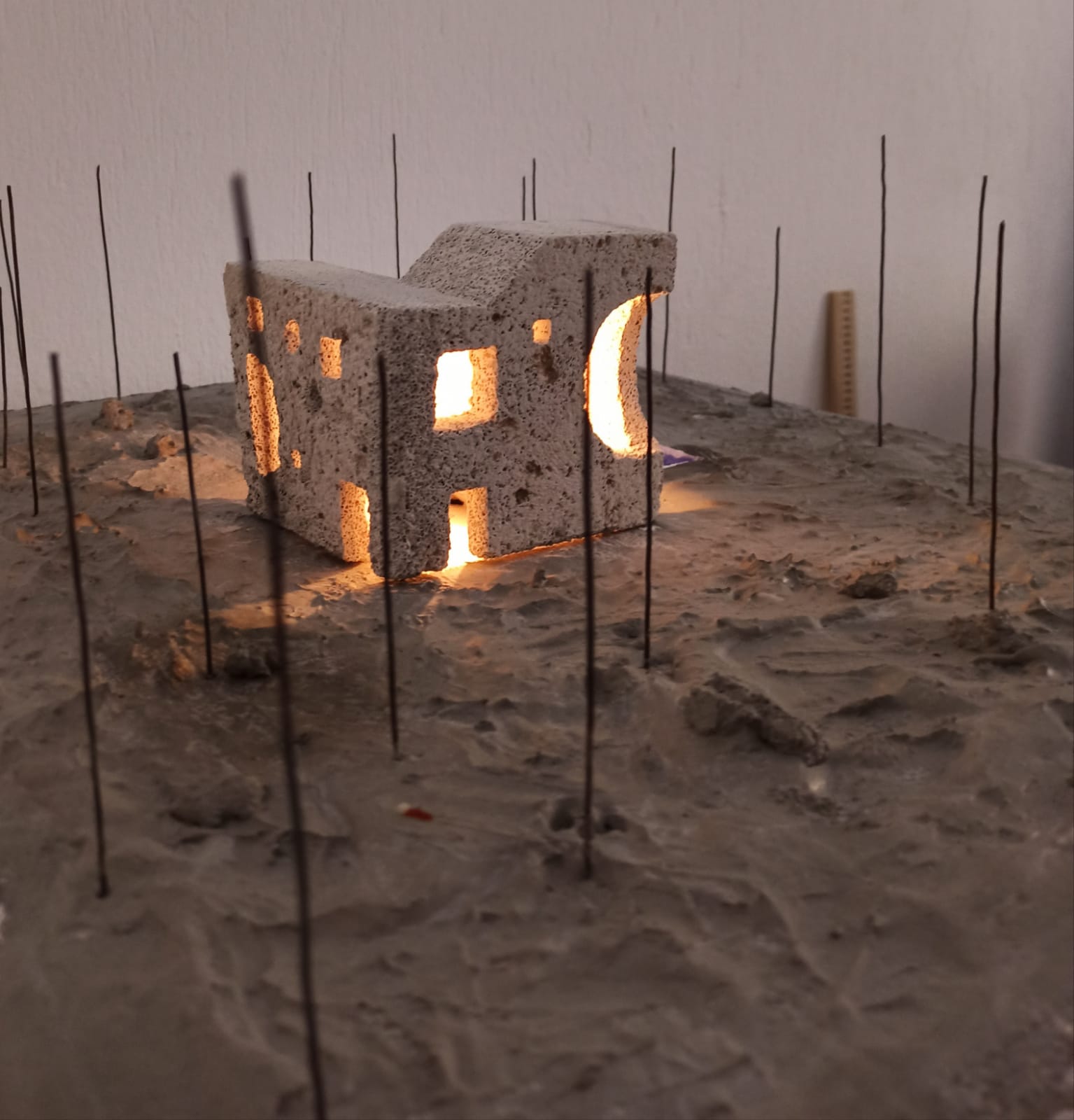
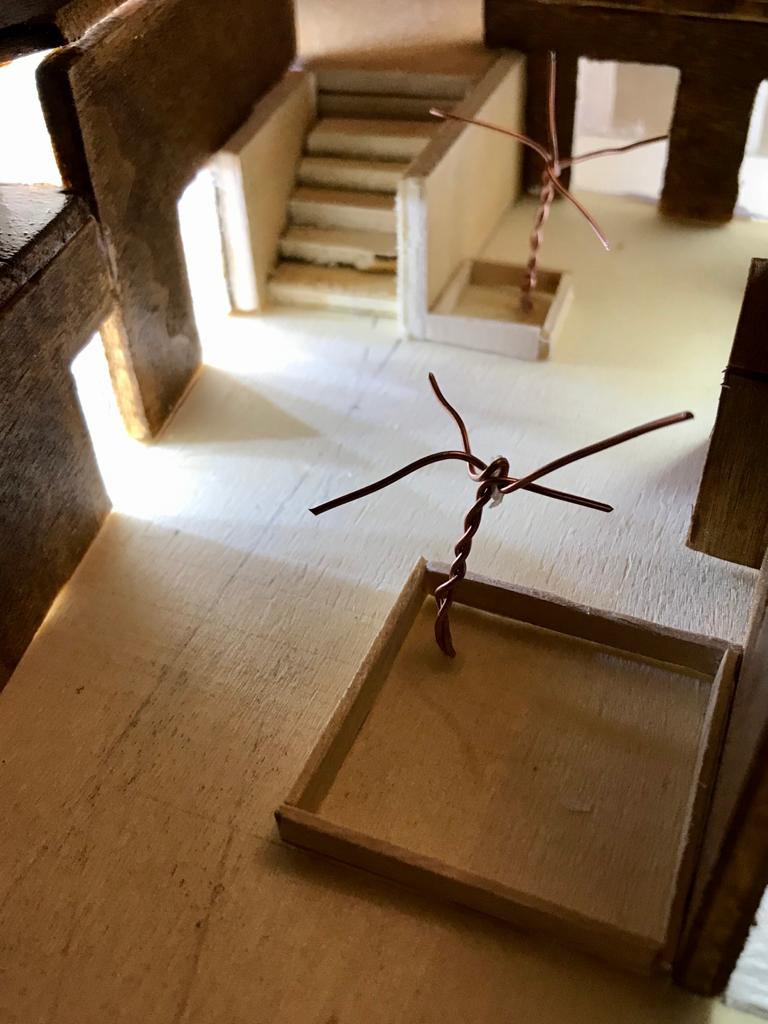
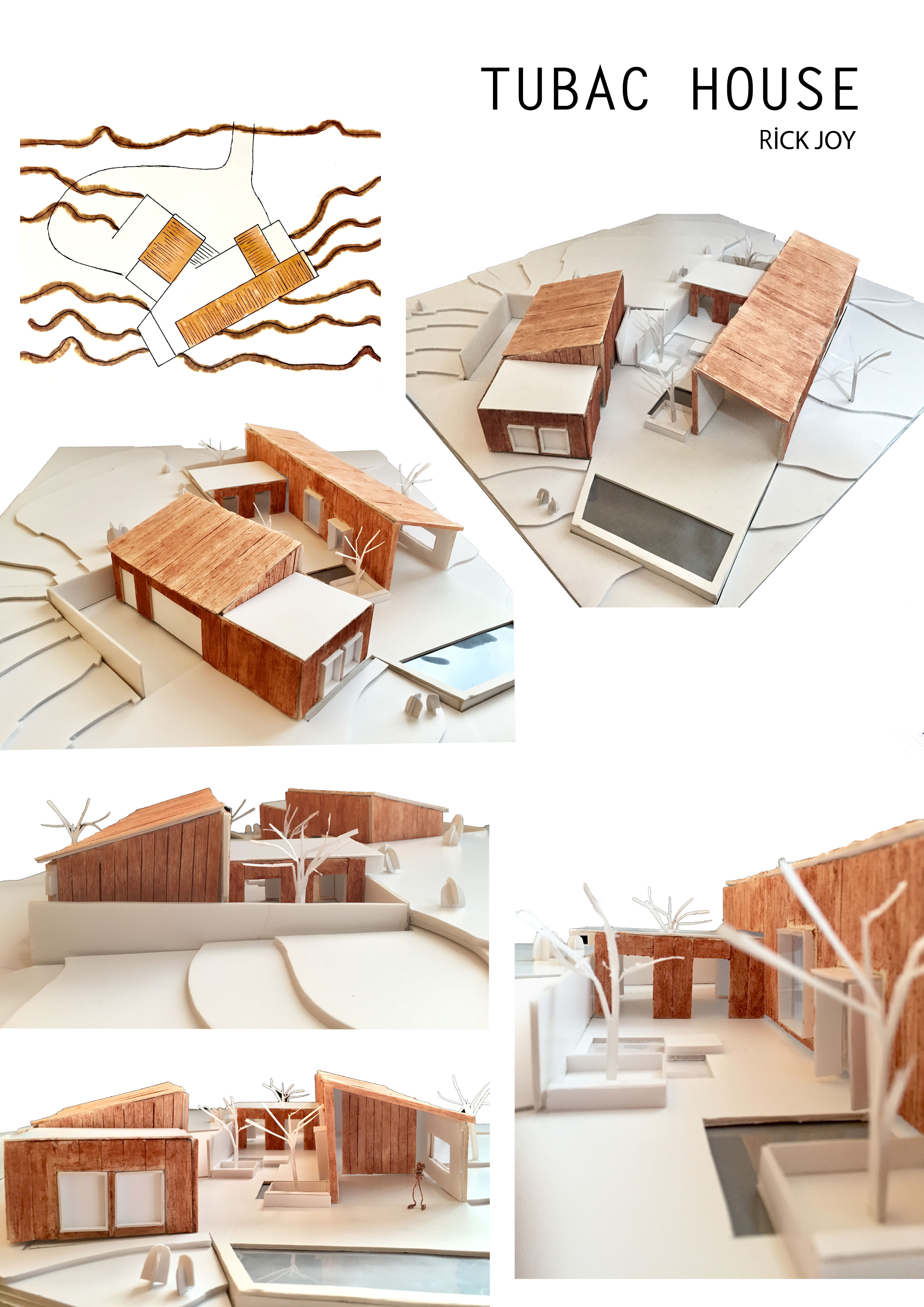
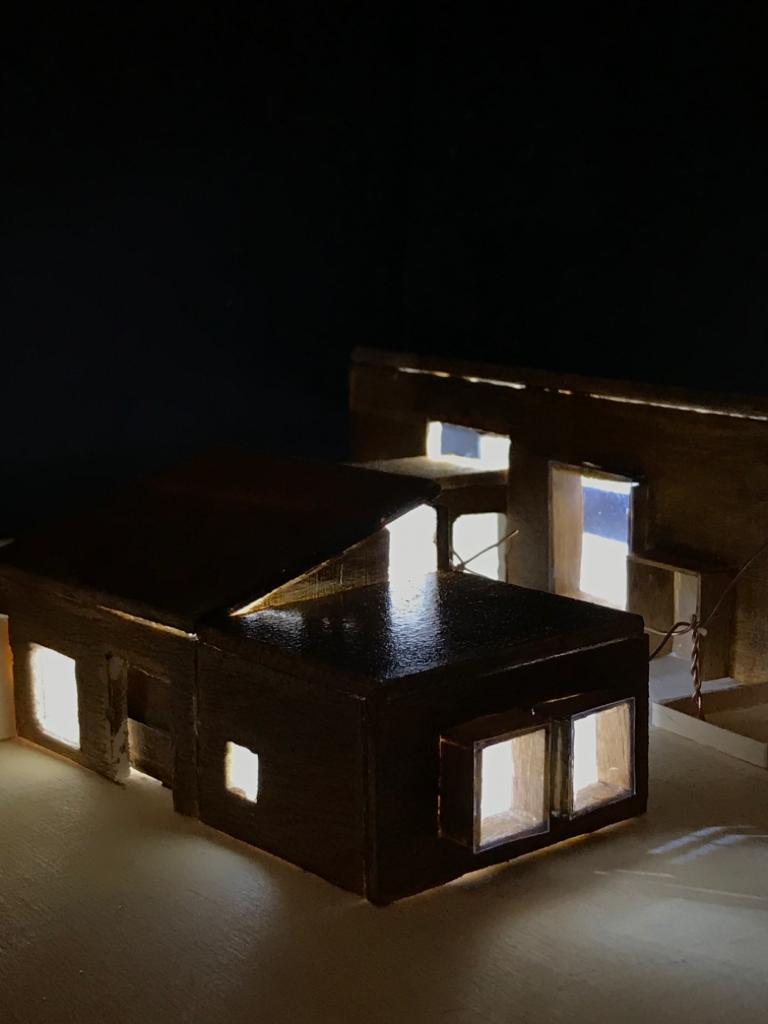
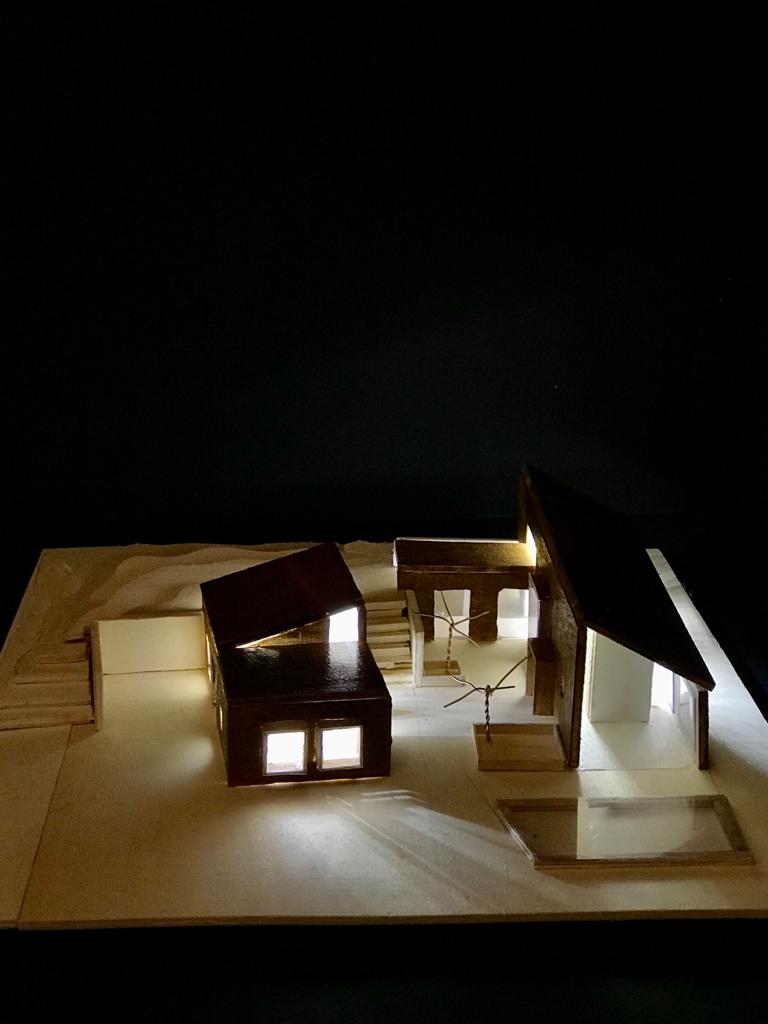
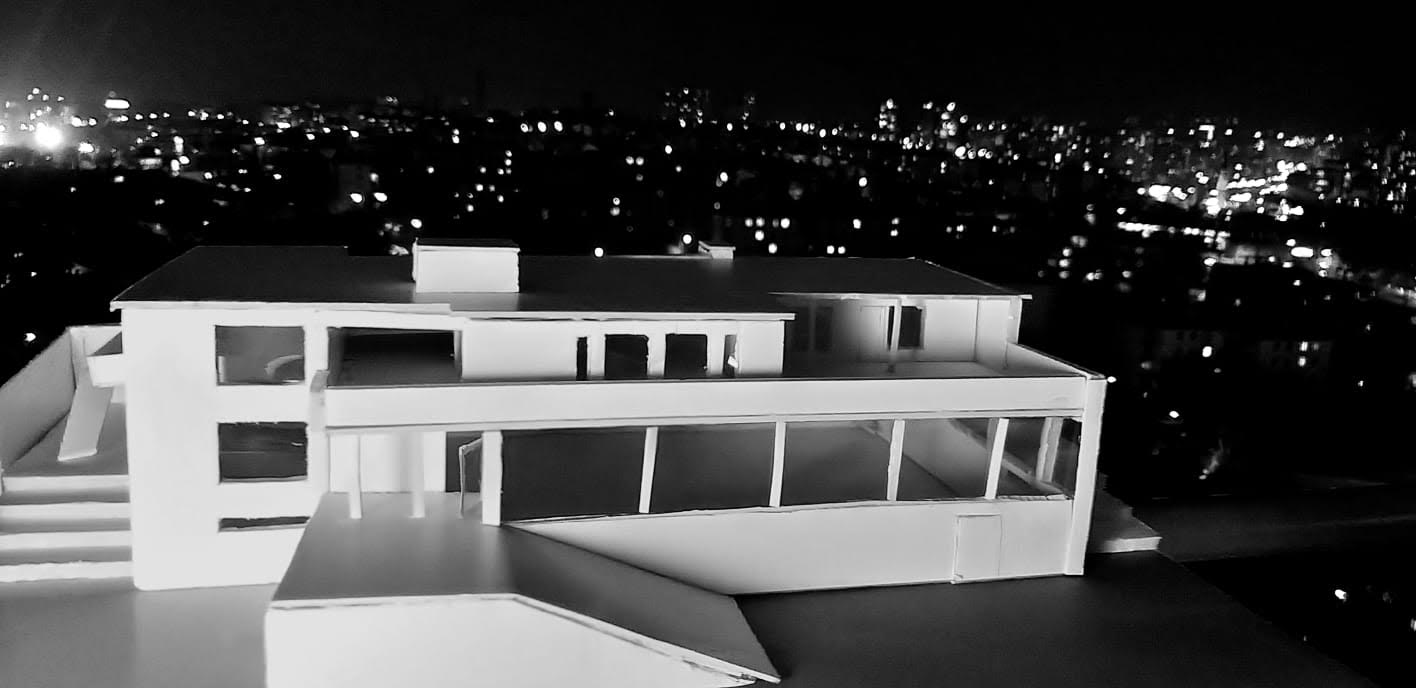
In Spring Semester 2020, I directed a model-making course for first-year architectural students. In the first part course, with the lectures on (a) abstraction of a concept, (b) material, color, and method, (c) landscape elements and human figures, (d) modeling and taming the site, and (e) photographing and displaying models. After each lecture, students were expected to produce a model about the topic. In the second part of the course, students were given different house designs from famous architects to make a model of it. It was required to use the information provided in the lectures.
However, in the third week of the semester, remote learning became obligatory because of the pandemic, and we couldn’t meet in studios. Unfortunately, there were students who couldn’t have a suitable environment and materials for model making in their houses. To solve that problem, I decided to offer options for students. The first option was to produce physical models with any material they could use; students made some creative projects. And the second option was to produce a digital model. For this purpose, lectures on model making with Rhino were added to the course schedule. Students were excited to learn Rhino. The lectures were at beginner level since I was not an expert in teaching Rhino, but happily, some students continued to work on Rhino in the following two years.
I want to share some physical models with you and thank my students for being creative and hard-working.

—————————————————————————————————————–
Warm-Up Project | 2022
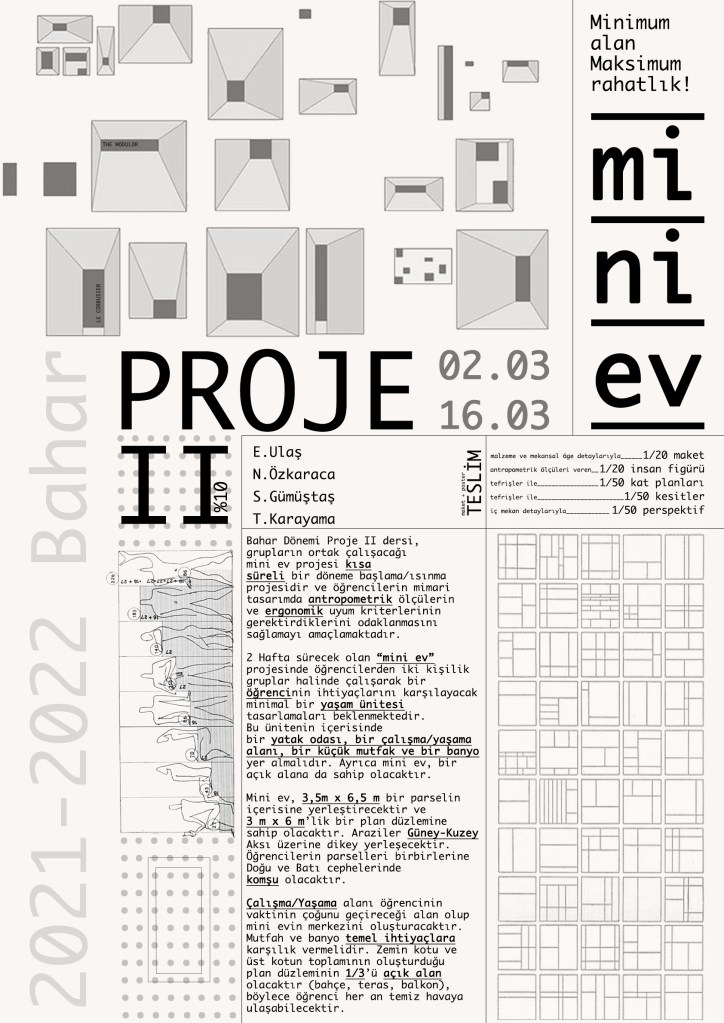
In the scope of the second-year design studio, my colleague Saime Gümüştaş and I have designated a warm-up project to be conducted in the groups we both attended as assistant of course lecturers.
For this purpose, we transformed one of the projects given at Middle East Technical University (METU) during my undergraduate education.
Briefly, the project aimed to make students consider ergonomics and human anthropometric models in their designs while preparing them for the main task of second-year studios. Students were asked to form groups of two and design a tiny house with dimensions of 3 m x 6 m. Each house was expected to have a bedroom unit, living and studying areas, a kitchenette, a bathroom, and open spaces.
It was surprising that one group tried to design a house for an individual with a disability, even though inclusiveness was not mentioned and anthropometric figures of Le Corbusier and Dreyfuss were discussed during the project. Moreover, any inclusive design was not produced in the METU version of this project. I think this project may be the result of the effect of students knowing that an instructor is studying inclusive design.
—————————————————————————————————————–
—————————————————————————————————————–
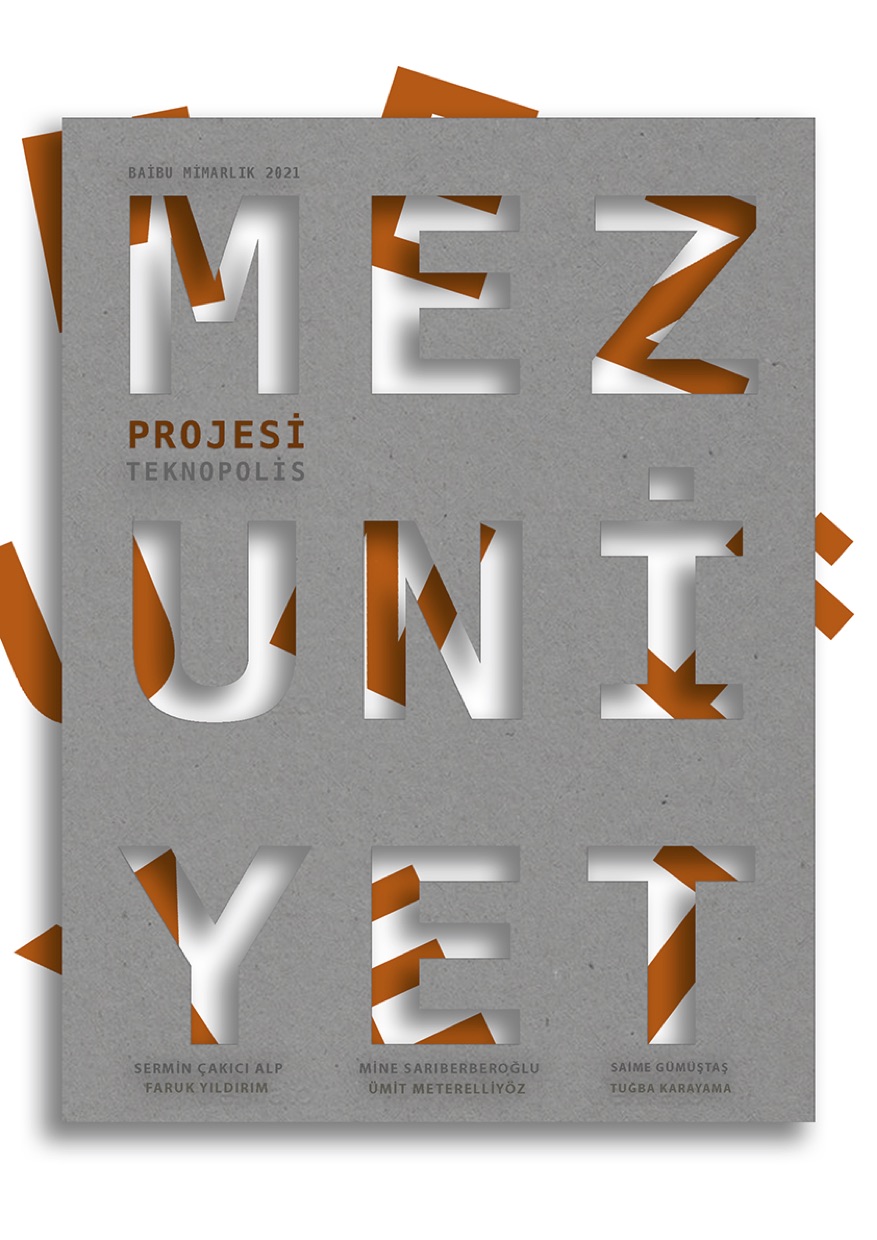
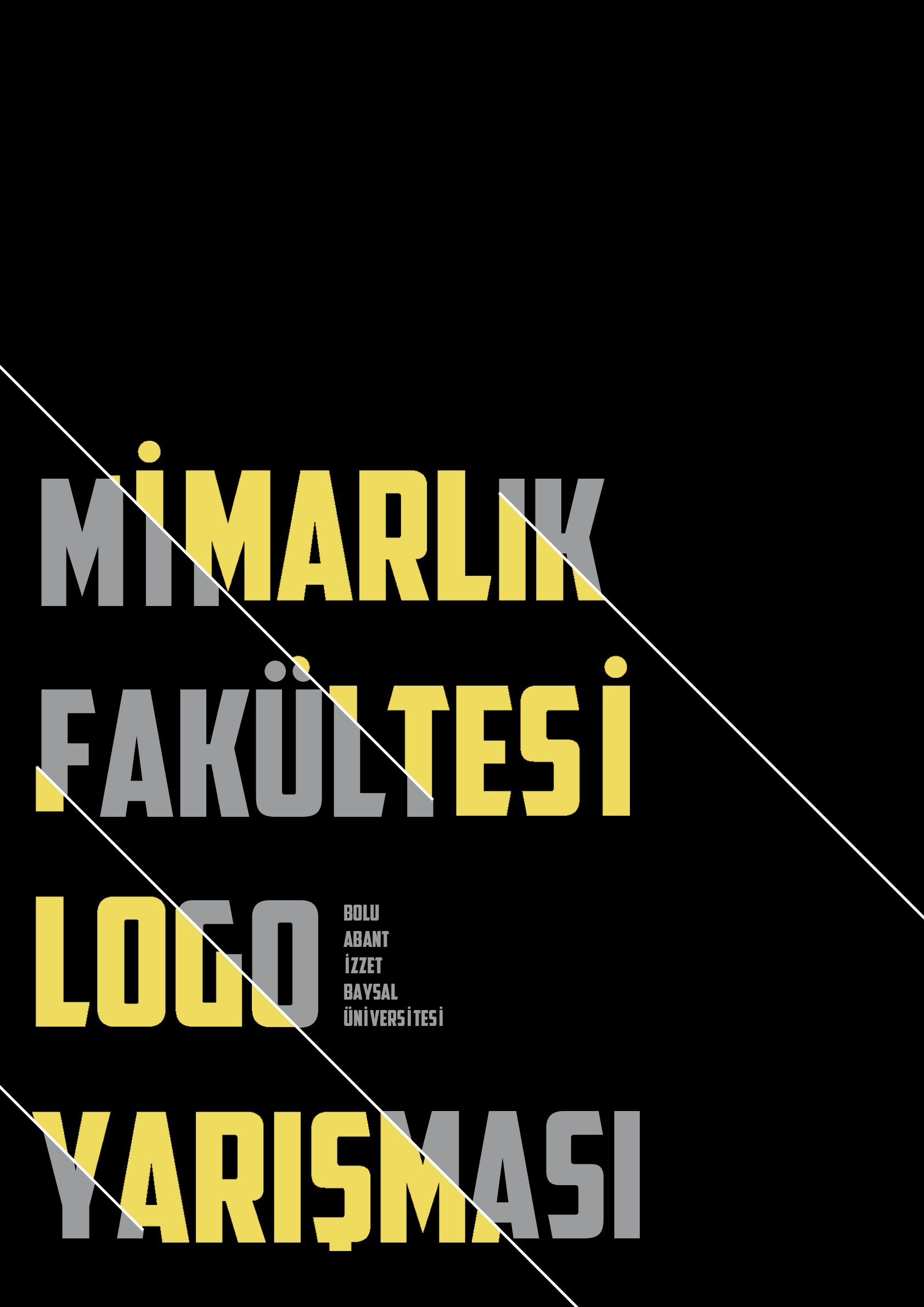
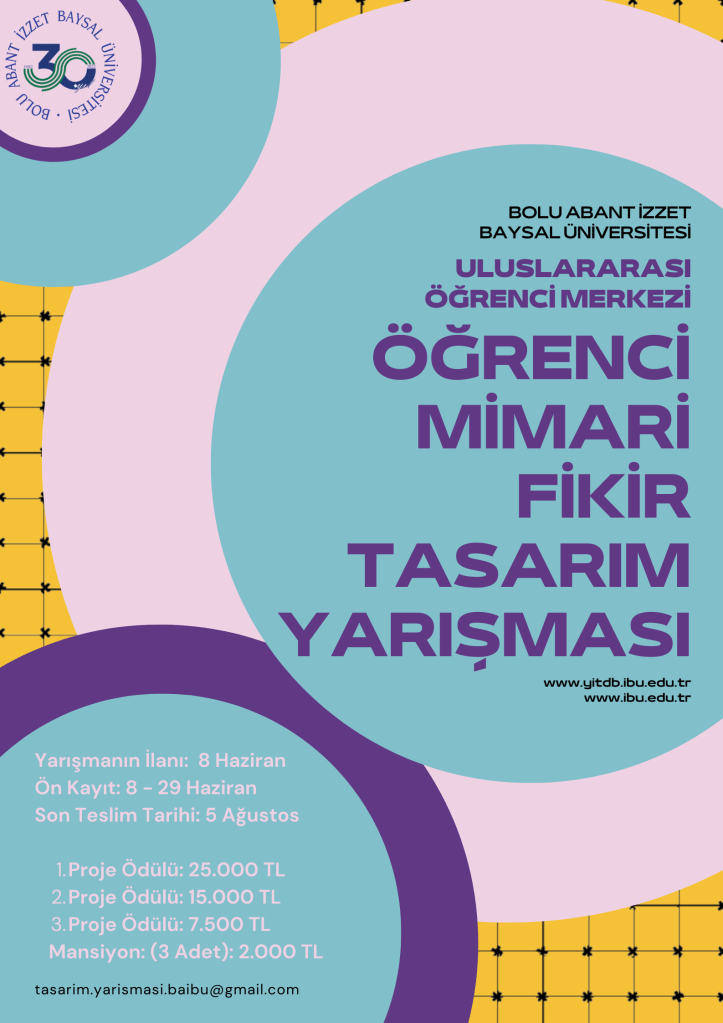
While assisting the courses, I was asked to design posters for courses and programs held by BAIBU.
These are a few examples of my designs.
 haticetugba.com